
Modern Victorian: How to Blend Heritage Tiles with Contemporary West London Interiors
Living in a Victorian property in West London brings a wonderful sense of history, but it also comes with a design challenge. How do you honor the stunning period features of your home without feeling like you are living in a museum? Many homeowners in areas like Chiswick, Notting Hill, or Ealing find themselves caught between a love for heritage architecture and a desire for a fresh, modern lifestyle. The good news is that you do not have to choose between the two. In fact, some of the most breathtaking contemporary interiors are built on a foundation of classic design. By pairing traditional geometric tiles with modern interior elements, you can create a sophisticated, lived-in look that celebrates the past while looking firmly toward the future. Here is how to master the art of the modern Victorian aesthetic.
The Foundations: Heritage Tiles as a Blank Canvas
The secret to the modern Victorian look lies in understanding that traditional geometric patterns are incredibly versatile. Premium porcelain tiles, like those from the celebrated Winckelmans collection, are inherently modern in their precision, sharp lines, and matte finishes, even though the designs date back over a century.
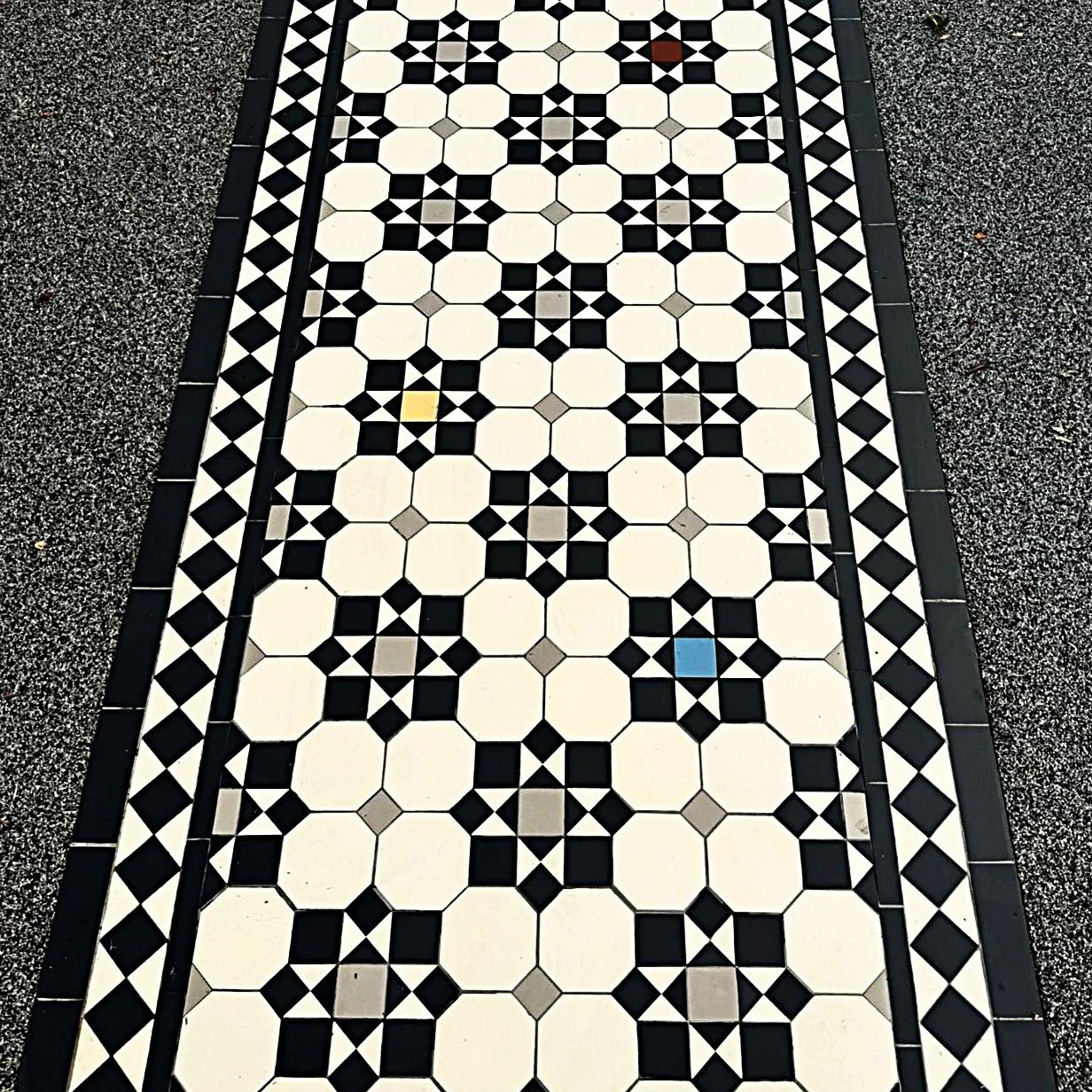
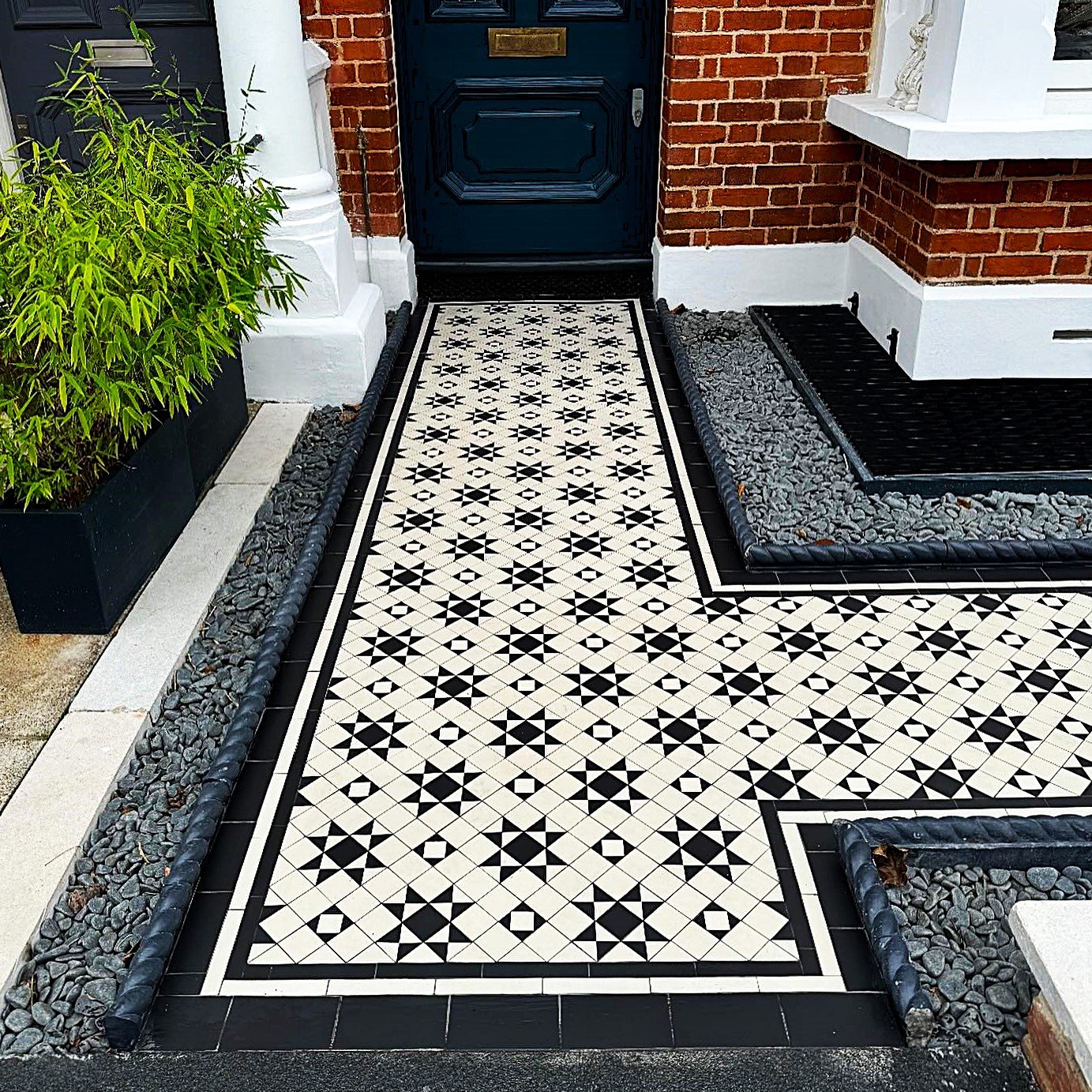
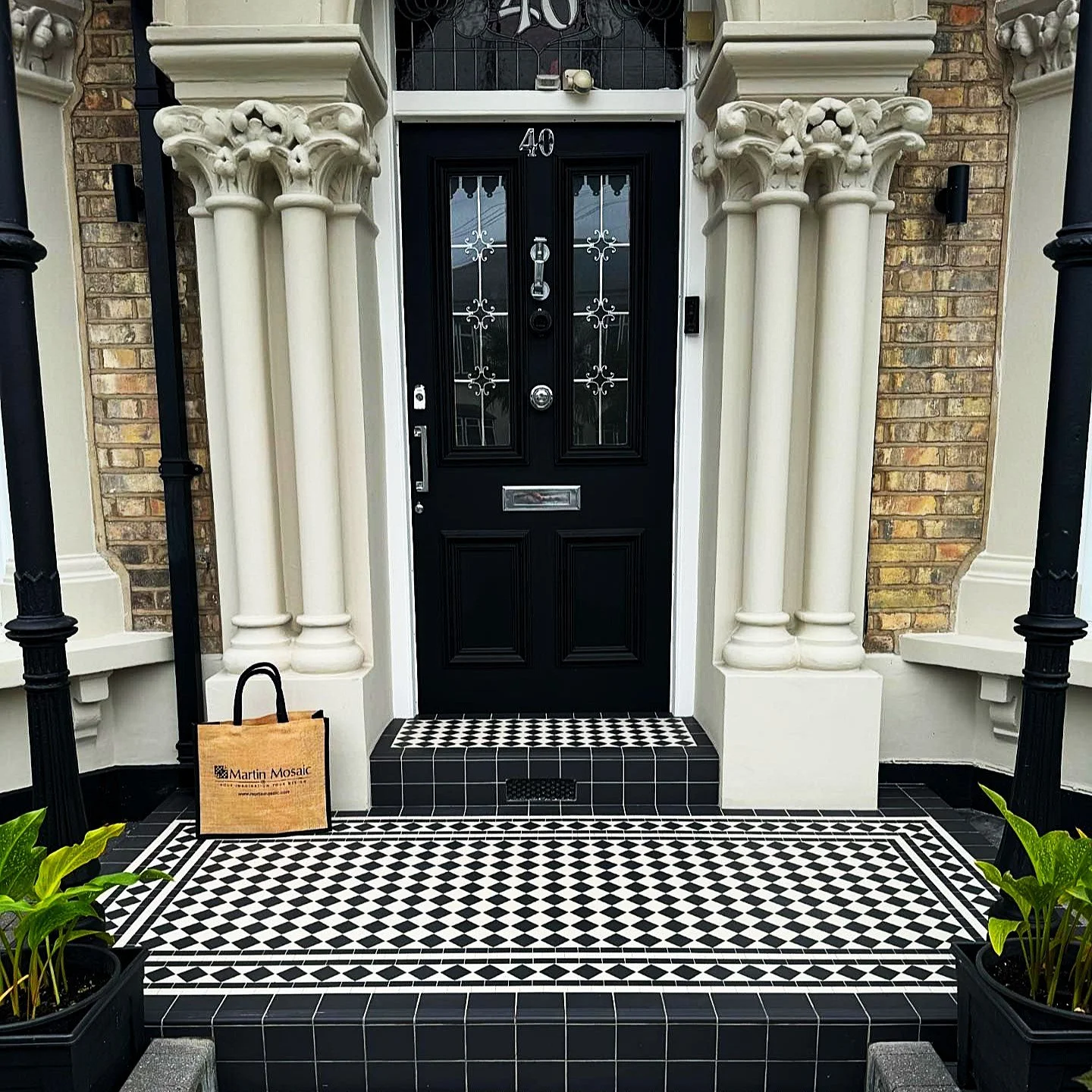
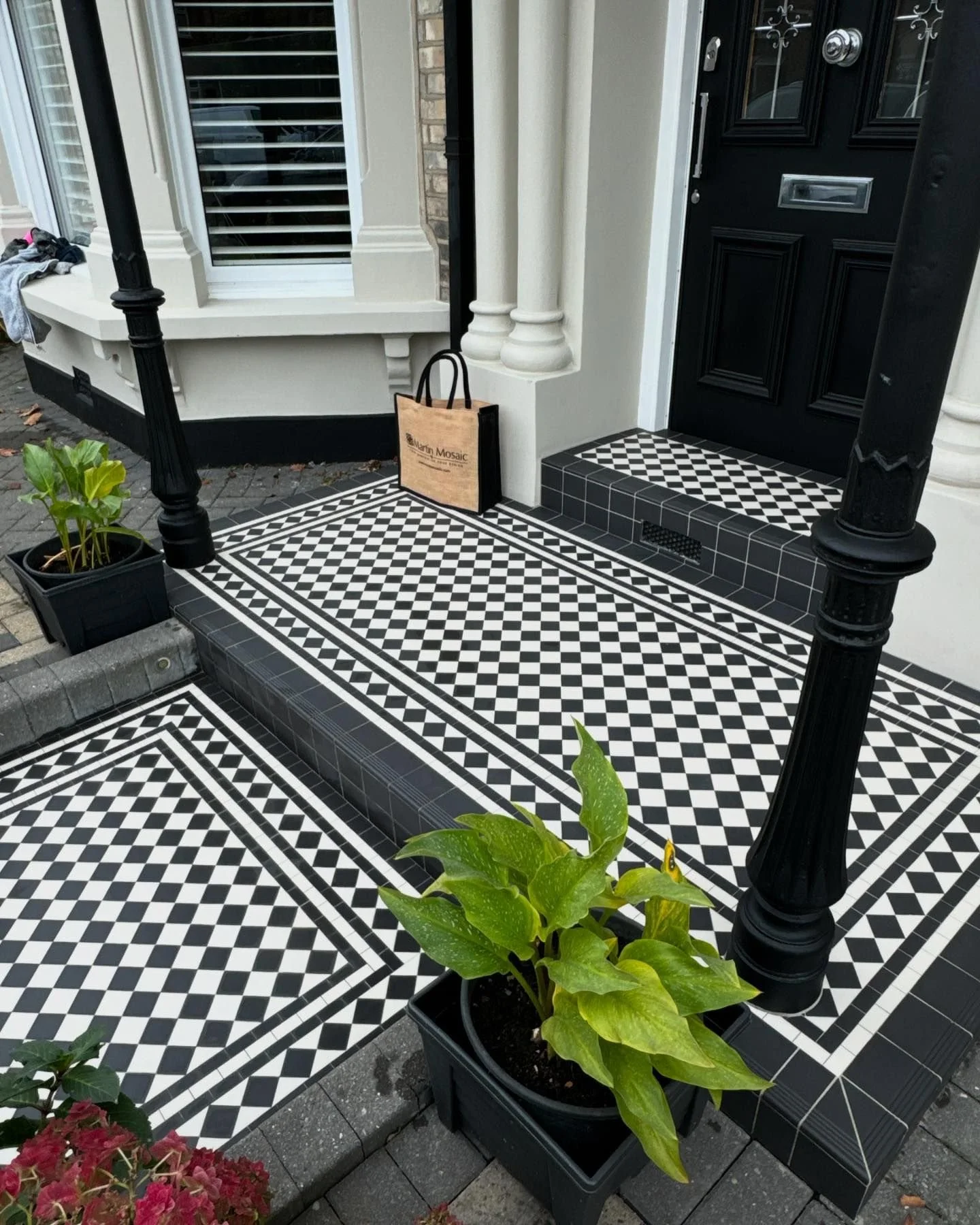
A classic checkerboard or a beautifully framed geometric hallway floor does not constrain your design options. Instead, it anchors the room. It gives the space a sense of permanence and architectural grounding, allowing you to be much more playful and daring with the rest of your decor.
Color Play: Pairing Classics with Farrow & Ball Tones
One of the easiest ways to bring a Victorian tiled floor into the present day is through your wall colours. Traditional spaces often relied on dark wood and heavy wallpaper, but modern Victorian interiors thrive on contrast.
Try pairing a rich terracotta and black geometric floor with contemporary, sophisticated wall shades from modern palettes like Farrow & Ball. Painting your hallway walls in a crisp, clean white, a soft chalky grey, or even a bold, dramatic hue like Hague Blue or Setting Plaster instantly updates the space. The contrast between the intricate, crisp geometry of the floor and a smooth, modern wall colour creates an elegant balance that feels fresh and intentional.
Lighting and Furniture: The Art of Contrast
To keep your period home feeling current, avoid buying furniture that matches the era of the house. Instead, introduce pieces with clean, minimalist lines and contemporary materials. In a hallway with a grand Victorian tiled floor, consider adding a sleek, floating console table made of light oak or black steel. Above it, instead of a heavy, gilded antique mirror, opt for a large, frameless circular mirror or a piece of bold, abstract contemporary art. Lighting is another fantastic tool for modernizing a traditional space. Replace ornate brass fixtures with minimalist, sculptural LED pendants or architectural track lighting. The clean light casts beautiful, crisp shadows across the geometric floor patterns below, highlights the texture of the tiles, and makes the entire space feel bright and open.
The Perfect Duet of Past and Present
Creating a modern Victorian home is not about erasing history, it is about starting a stylish conversation between different eras. When you walk through a front door in West London and see a flawless heritage tiled path leading into a bright, contemporary hallway, the effect is seamless and effortlessly chic. Trimming down the fussiness of the past and highlighting the clean, geometric beauty of the craftsmanship proves that tradition and modern life make the perfect design partnership.
Want to see how a classic pattern can fit into your modern interior design scheme? Let’s explore the extensive Winckelmans colour palette together and find the perfect tonal match for your contemporary West London home.